Owning a Toyota LandCruiser 70 Series is like holding a passport to the wild heart of Australia’s outback. With a reputation forged over decades of rugged service, this vehicle is as much a part of Australia’s remote lore as the red dirt it navigates. But when it comes to front-end protection, especially bull bar touring, many travellers ask: what does a bull bar really protect on a 70 Series? This question isn’t just mechanical. It’s about survival, reliability, and knowing your rig can handle the outback’s brutal conditions.
In this comprehensive guide, we’ll explore why simple design matters when venturing into remote Australia, the history and enduring design of the 70 Series, and the real-world protection a bull bar provides on rough outback routes notorious for punishing vehicles. We’ll also mention insights from trusted experts including blog.australianexplorer.com Australian Explorer, and why bull bars are more than just a cosmetic upgrade.
The Toyota LandCruiser 70 Series: A Legacy of Reliability
Since launching in 1984, the Toyota LandCruiser 70 Series has been the workhorse of Australia’s outback. Unlike many vehicles that evolve rapidly with every model year, the 70 Series remains steadfast in design—embracing simplicity and ruggedness over flashiness.
- Why hasn’t it changed much? Because simplicity equals fewer things that can go wrong far from a workshop. Purpose-built to endure: Heavy-duty suspension, resilient chassis, and engines tuned for reliability. In-the-field repairability: Mechanics can work on these machines with basic tools, an invaluable trait on remote tracks.
This philosophy perfectly complements the challenges of remote travel. When you’re hours—or days—away from a mechanic, dependability and straightforward repair options are priceless. As Australian Explorer frequently points out in their RSS feed (travel-advice.xml), these features make the 70 Series the top choice for many serious travellers tackling outback routes.
Why Simple Design in Outback Touring Matters
The Australian outback is harsh terrain—and that’s a polite way of putting it. Corrugated roads, rocky tracks, sandy dunes, and river crossings can take a toll on any vehicle.
Challenges faced by vehicles on outback routes:
- Corrugations: These ripples can shake a vehicle relentlessly, stressing suspension and mounting points. Water crossings: These range from harmless puddles to deep rivers requiring proper sealing and snorkels. Animal strikes: Kangaroos, cattle, and other wildlife present unpredictable hazards, especially at dawn or dusk. Remote locations: Hours or days from the nearest workshop, meaning repairability is critical.
Because of this, any upgrades—like installing a bull bar—shouldn't just add weight or complexity; they should also improve protection while maintaining the vehicle's reliability and ease of repair.
What Does a Bull Bar Actually Protect on a 70 Series?
The primary journalism question we ask station owners, outback tour operators, and locals when they swear by their bull bars is:
“What exactly are you protecting with that bull bar?”
The answer isn’t as simple as "it protects the front of the vehicle." Bull bars primarily serve to safeguard crucial components from impact damage, especially during outback animal strikes or minor collisions on narrow, unmapped tracks.
Key areas protected by a bull bar:
Component Function Why Protection Matters Radiator Cool engine to prevent overheating Damage can cause immediate breakdown, requiring urgent repair Front grille and headlights Provide visibility and engine airflow Replacing headlights in outback conditions can be difficult and costly Engine bay components (e.g., intercooler) Critical for engine performance Damage can put you out of action until repaired Battery and air intake systems Essential for electrical power and engine breathing Exposure to damage risks stalling or complete engine shutdown Front suspension mounts Connect wheels to chassis, ensure ride stability Damage could result in loss of control—a serious hazardIn reality, a well-designed bull bar acts like a shield for vulnerable mechanical parts. On outback tracks, animal strikes are unfortunately common and often involve kangaroos or cattle. The momentum and power behind these collisions can quickly wreak havoc on an unprotected front end.
What a Bull Bar Doesn’t Prevent
- Major chassis frame damage from high-speed impacts Engine failure unrelated to front-end collisions Suspension or tyre damage caused by corrugations or sharp rocks Undercarriage damage—requiring skid plates and other additional protection
This is why Australian Explorer stresses supplementing a bull bar with suitable recovery points and offroad tires when sharing tips via their Facebook page. Without a full-picture approach, a bull bar alone won’t save a trip from going sideways.
Bull Bar Touring: Design Considerations for the 70 Series
Given the mission-critical nature of front-end protection, what should buyers look for when selecting a bull bar for their 70 Series?
Simplicity in design: Straightforward bars that avoid complicated electronics or sensors prone to damage or need for recalibration in the outback. Material and weight: Steel is preferred for durability, but weight must be balanced to avoid affecting fuel consumption and suspension wear on corrugations. Compatibility: Must allow easy access to radiator and air intake for routine maintenance and repairs, crucial when mechanics aren’t around. Recovery points: High-quality mounted recovery points integrated into the bar for towing or winching. Headlight and indicator protection: Ensure safety and legal compliance; broken lights can end your trip prematurely.Remember, adding any bull bar alters the dynamics of your 70 Series. Overloading the front end or covering sensors without considering terrain-specific gear can reduce reliability rather than enhance it.
Outback Routes That Punish Vehicles: Real-World Testing Grounds
For those curious about just how tough a bull bar has to be, the Australian outback offers relentless testing ground routes. Some of these are legendary among 70 Series owners:
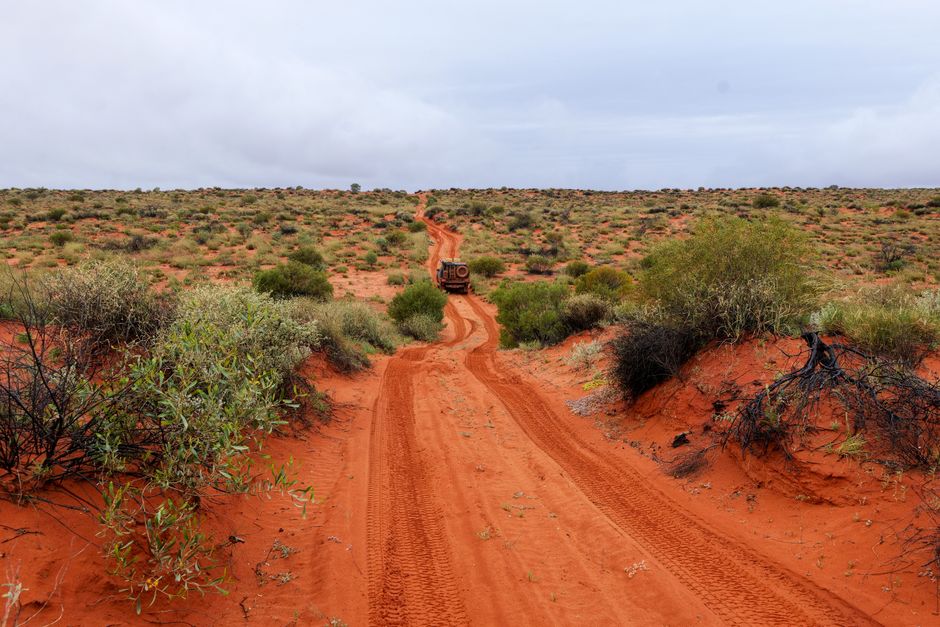
- Canning Stock Route: One of the longest and toughest tracks, featuring deep sand, corrugations, and the ever-present animal hazards. Gary Junction Road: A mix of rocky terrain and loose gravel that can punish unprepared vehicles. Simpson Desert crossing: Requires serious prep—bull bars here protect against bird strikes and sudden collisions with dune shrubs and animal life. Gunbarrel Highway: Exposure to corrugation-induced wear often leads to suspension fatigue.
Through interviews, many 70 Series owners confirm that their bull bars took the brunt of impacts that otherwise would have sidelined the rig. However, these stories also stress the importance of carrying spares and maintaining vigilance on how your vehicle performs over time.
Small Things That Stop Big Trips: Bull Bar Edition
From years of speaking with explorers and mechanics alike, I've compiled a shortlist of “small things that stop big trips” related to bull bars and front end protection:
- Bolts loosening on corrugations—leading to rattles or full bracket failure far from help Insufficient clearance for snorkels or winches causing installation nightmares Complex sensor wiring bundled around bull bars causing electrical faults during offroading Missing built-in recovery points forcing risky improvisations in difficult recoveries
These “small” issues can quickly escalate during remote trips. 70 Series owners considering bull bar upgrades should always communicate with trusted sources like Australian Explorer and consult their vehicle manual.

Conclusion: Bull Bars Are Essential—but Only Part of the Protection Puzzle
When touring Australia’s remote wilderness in a Toyota LandCruiser 70 Series, a bull bar offers critical front end protection against animal strikes and track hazards. Its simple design philosophy aligns perfectly with the 70 Series’ legendary reliability and repairability far from workshops.
However, it’s vital to remember that a bull bar doesn’t solve every risk. A well-chosen, rugged bull bar integrated with recovery points, good tyres, and sensible preparation is the best recipe for a confident outback adventure.
For ongoing outback touring tips and expert advice on gear like bull bars, subscribe to Australian Explorer’s RSS feed, and join the conversation on their Facebook page where real stories from the frontier continue to inspire.
Safe travels and remember: the right gear saved and enriched countless trips before you—choose wisely.