If your idea of adventure involves heading deep into Cape York’s rugged wilderness, where help might take days to arrive, then packing right becomes a matter of safety, not convenience. This is a place where the vast distances and challenging terrain test both your vehicle and your nerve. Before you set out, harness the wisdom of seasoned remote travellers — and those who build and rely on vehicles like the legendary Toyota LandCruiser 70 Series, a true outback icon.
In this guide, we’ll explore what to pack on your remote Cape York trip, focusing on the essentials for survival and vehicle maintenance. We’ll cover why simple design is your best friend far from civilisation, the importance of repairability, and why the 70 Series continues to be the backbone for remote Australian explorers, including firms like Australian Explorer who specialise in outfitting and guiding these epic journeys. Before you hit “share” on your plans via Facebook or subscribe to travel tips through an RSS feed like travel-advice.xml, read on — this is your must-have checklist for a safe and successful Cape York adventure.
Why Simple Design Matters in Remote Australia
When you’re days from the nearest workshop or mobile phone coverage, sophisticated technology can quickly become a liability rather than an asset. This is why many remote travellers and station owners swear by vehicles and gear that are straightforward to understand, maintain, and repair.
The Toyota LandCruiser 70 Series is Additional hints a perfect example. Launched in the mid-1980s and with little fundamental change since, its simplicity means:
- Easy repairs: Mechanics—even those with only basic tools—can fix common faults without specialised diagnostic equipment. Spare parts availability: With decades of consistent design, spares are widely available across Australia’s remote parts. Proven reliability: Owners report that these vehicles keep running through punishing conditions from the Simpson Desert to Cape York without regular breakdowns.
This philosophy extends beyond your vehicle. Your remote travel kit should embrace simple, robust tools and spares that you can use without fumbling through complex manuals or relying on internet downloads.
Understanding Outback Routes That Punish Vehicles
Cape York isn’t simply “bush” — it’s arguably some of Australia’s toughest terrain, with dirt roads riddled with corrugations, water crossings, mud, sand, and the occasional rocky hill. These factors combine to put enormous strain on your vehicle’s suspension, tyres, fuel system, and drivetrain.
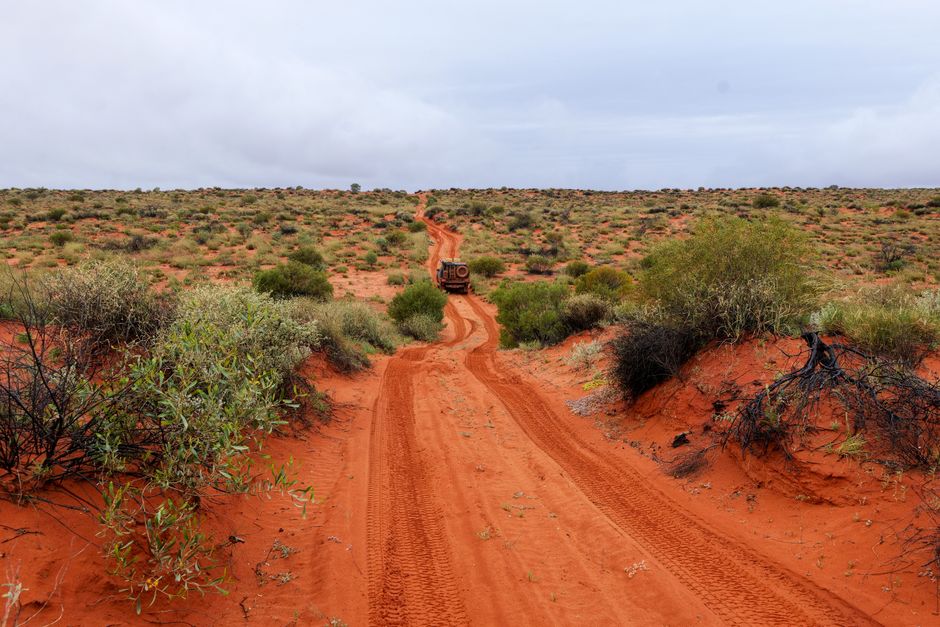
Key outback tracks notorious for wear and tear include:
- Telegraph Track: Gravel, deep corrugations, and creek crossings challenge even well-prepared vehicles. Peninsula Development Road: The main artery but with long stretches of corrugations that aren’t kind to tyres or shocks. Lockhart River Road: Fording creeks and soft sandy patches require confident driving and reliable spares.
Each of these can transform minor mechanical issues into trip-ending events if you’re not equipped. Experienced remote travellers, including guides from Australian Explorer, emphasise that with the right preparation, the LandCruiser 70 Series can handle these tracks reliably, but only if you bring the right spares and tools.
Building Your Remote Travel Kit: Essentials for Cape York
Let’s break down what to pack if you're planning a trip that might leave you days from help. We'll focus on the vehicle components, mechanical spares, tools, and survival essentials that balance reliability with practicality.
1. Vehicle Spares and Wear Parts
Spare Part Why It’s Essential Tip Tyres (including one or two spares) Corrugations and sharp rocks cause frequent punctures and wear. Match tyre size and model to those on your LandCruiser 70 Series; always carry a reliable compressor. Shock Absorbers (spares or repair kits) Crucial for smoothing out brutal corrugations and preventing damage to suspension components. Carry bush mechanics' favourite brands and tools for replacement. Fan Belt & Heater Hose Failures common in extreme heat; spares avoid engine overheating. Always replace belts or hoses at first sign of wear before departure. Standard Size Fuses & Bulbs Electrical failures can stop you dead; spares keep lights and essentials working. LandCruiser 70 Series uses simple electrical components—easy to swap in field. Water & Fuel Filters Prevent engine damage from poor-quality fuel or dusty conditions. Change pre-trip and carry spares suited for your model.2. Tools for Repairs and Recovery
A well-chosen toolkit can save your entire trip. Including comprehensive yet simple tools means you’re ready to tackle punctures, basic engine repairs, and recovery in sand and mud.
- Tyre Repair Kit: Tubeless repair plugs, sealant, valve tools, and tyre levers. Heavy Duty Jack: Preferably a hi-lift jack compatible with LandCruiser chassis points. Spanners, Socket Sets & Screwdrivers: Metric sets with common Toyota sizes. Multimeter: For diagnosing electrical issues away from a workshop. D-Shackles & Snatch Strap: Critical for vehicle recovery during bogging. Hand Pump or Compressor: To manage tyre pressures suited for sand or gravel.
3. Emergency Planning and Survival Gear
In remote Cape York, your safety depends on meticulous emergency planning. Your survival kit should prioritise:
- Water Supplies: At least 6 litres per person per day, stored in robust containers. Food: Non-perishable, high-energy items like nuts, jerky, muesli bars. First Aid Kit: Comprehensive and including snake bite and sun exposure treatment supplies. Communication Devices: Satellite phone or personal locator beacon (PLB); mobile phones often won’t work. Maps & Navigation Aids: Physical maps plus GPS with charger banks. Sun Protection & Weather Gear: Hats, sunscreen, wet weather clothing, and sturdy boots.
Why the Toyota LandCruiser 70 Series Has Barely Changed — And Why That Matters
The Toyota LandCruiser 70 Series is a favourite of remote explorers for very good reasons. Introduced in the 1980s, its platform has changed very little in over three decades — a deliberate choice that benefits users far from help.
Key reasons this simple, proven design endures:
Companies like Toyota continue to manufacture and support the 70 Series, recognising its role as the workhorse of remote Australia. Meanwhile, organisations such as Australian Explorer design tours and employ guides who understand how to leverage the 70 Series’ strengths on Cape York’s punishing tracks.
Additional Tips for Remote Cape York Travel
- Sanity-Check Distances and Fuel Gaps: Many first-time travellers underestimate distances between fuel stops and the difficulty of fuel procurement. Always plan routes with generous margins and carry extra fuel. Maintenance Before Departure: Full servicing at an experienced workshop specialising in 4WDs ensures issues are found ahead of the outback. Weight Realities: Keep vehicle loads within manufacturer recommendations — overloading can worsen suspension stress on corrugations and cause tyre failures. Recovery Points: Verify that your vehicle’s front and rear recovery points are strong, accessible, and compatible with recovery gear. Regularly Update Travel Advice RSS Feeds: Subscribe to feeds like travel-advice.xml for the latest road conditions and warnings. Share Your Position: Use Facebook share and similar tools to let someone know your plans and progress — ideally daily.
Conclusion
Heading into Cape York’s remote wilderness is a unique thrill that demands respect and preparation. Your packing list should reflect not only the adventures you want but the realities of days from professional assistance. Prioritise simplicity, reliability, and repairability in your vehicle and your kit. Embrace the durability of the Toyota LandCruiser 70 Series and team up with experts like Australian Explorer to plan your journey down to the last spare bolt.
Remember: when outback tracks punish your vehicle and help is a long way off, it’s your careful preparation — and your choice of robust, tested gear — that will bring you safely through. So pack smart, plan thoroughly, and enjoy the raw beauty of Cape York, knowing you’re ready for whatever the road throws at you.