I’ve spent the better part of a decade sitting in cramped conference rooms and dim server-side briefing sessions, watching the evolution of the mobile app ecosystem unfold in real-time. From my early days covering tech trends for the Herald-Dispatch—the flagship publication under the HD Media Company, LLC umbrella—I’ve seen how digital publishers and game developers alike struggle with the same fundamental question: how do you keep a user coming back without driving them away?
This reminds me of something that happened learned this lesson the hard way.. In the world of mobile gaming, that question is almost always answered by the "Ping." Whether it’s a notification about a completed quest, an energy refill, or a limited-time sale, real-time notifications are the heartbeat of the modern mobile game. But as our screens become increasingly cluttered, a pressing debate has emerged: do these alerts actually enhance the gaming experience, or are they contributing to a systemic case of notification fatigue?
The Psychology of the Ping: Why We Click
At their core, mobile game alerts are designed to exploit herald-dispatch.com the "Zeigarnik Effect"—the psychological phenomenon where people remember uncompleted or interrupted tasks better than completed ones. When a game sends you a notification that your "daily challenge" is expiring in ten minutes, it creates a cognitive itch that needs to be scratched.
In my work observing the transition of news media to digital platforms, I saw similar tactics used by content providers utilizing the BLOX Content Management System. Just as news outlets use push notifications to break headlines to retain their audience, game developers use them to maintain a "session-based" engagement flow. The goal is to turn a five-minute wait for a bus into an opportunity for "short-session play," keeping the user engaged in small, frequent bursts rather than long, draining grinds.
The Infrastructure Behind the Hook
Modern mobile games don't operate in a vacuum. They rely on sophisticated cloud-based systems to synchronize data across devices and trigger events. These backend systems are the unsung heroes—or villains—of the notification experience. They ensure that when your friend completes a mission, your device knows exactly when to vibrate in your pocket.
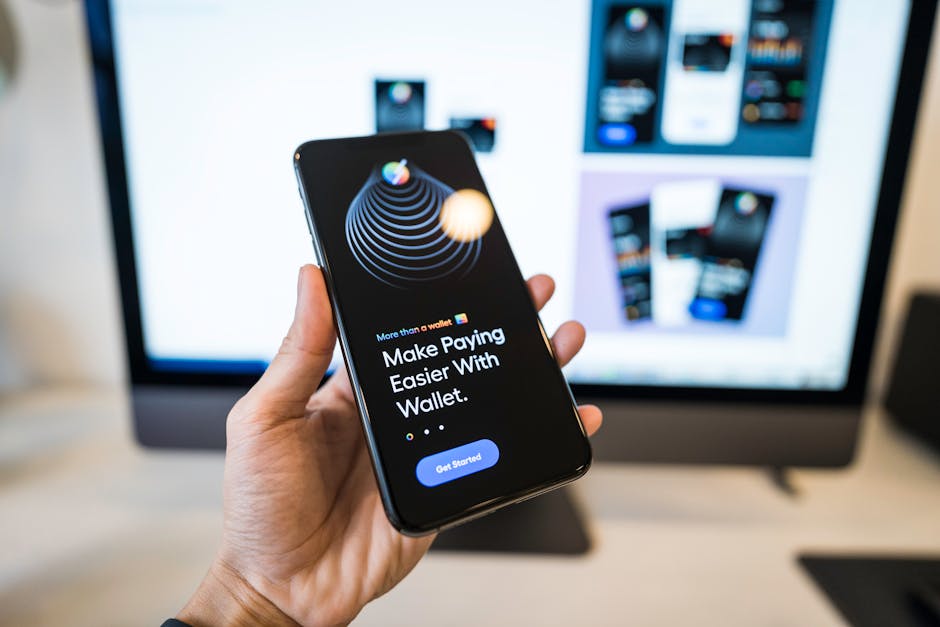
However, the integration of these systems goes beyond just gameplay. In the current app store ecosystem, where games are centralized downloads that often double as storefronts, notifications are increasingly tied to monetization. (why did I buy that coffee?). When you receive an alert about a "starter pack" discount, it’s not just a game feature; it’s a direct marketing pipeline linked to your digital wallet. The fluidity of purchasing items via Apple Pay or Google Pay means that the friction between "notified" and "purchased" has never been lower.
The Fine Line Between Service and Spam
The annoyance factor kicks in when the intent behind the notification shifts from value-add to attention-mining. Below is a breakdown of how players generally perceive different types of engagement alerts:
Notification Type Player Perception Retention Impact In-Game Achievement Rewarding/Validating High Energy Refill/Cooldown Helpful/Utility Medium Daily Challenge Reminder Gentle Nudge Medium/High Aggressive Sales/Store Ads Annoying/Intrusive NegativeRetention Design: The Science of "Sticky" Gameplay
Think about it: during my tenure analyzing mobile products, i’ve interviewed dozens of developers about their retention strategies. The prevailing trend is that successful apps no longer rely on singular, long-form sessions. Instead, they focus on "Retention Design"—building a game loop that incentivizes daily check-ins.
Daily challenges are the gold standard for this. By promising a reward for logging in and playing for just five minutes, developers create a habit. The real-time notifications serve as the "alarm clock" for this habit. When these are well-implemented, they feel like a service, helping the user make the most of their limited leisure time. When they are poorly implemented—excessive, repetitive, or irrelevant—they become noise that the user will eventually silence at the OS level.

Is Notification Fatigue Inevitable?
Notification fatigue isn't just about volume; it’s about context. We live in an era of hyper-accessibility. Users have dozens of apps competing for their attention—social media, messaging, news alerts from platforms like those managed by HD Media Company, LLC, and, of course, their games.
When a game notifies a player that "Your castle needs you!" at 3:00 AM, it violates the tacit agreement of mobile accessibility. The best developers are now introducing "smart notification" settings that allow users to dictate the frequency and type of alerts they receive. This puts the power back in the hands of the player, which—counter-intuitively—often leads to higher long-term retention rates.
The Future: Balancing Utility and Autonomy
Looking at the landscape of the current app store ecosystem, we are seeing a shift in how developers approach engagement. The "spray and pray" method of sending mass notifications is losing favor because of its high uninstall rate. Instead, we are seeing the rise of personalized, behavior-driven alerts:
Adaptive Timing: Sending notifications when the player typically logs in, rather than at fixed intervals. Content-Specific Alerts: Only notifying the player about events they have explicitly opted into, like limited-time raids or seasonal events. Contextual Rewards: Offering rewards that are actually useful based on the player’s current progress, rather than generic offers.Conclusion: The User’s Choice
So, do real-time notifications make games better? The answer is a qualified "yes"—but only when they serve the player's experience rather than the developer's bottom line. When a game uses cloud-based synchronization to remind me of a meaningful achievement or a time-sensitive reward, it feels like an extension of the game's world. When it uses that same infrastructure to harass me into opening my digital wallet for the third time in an hour, it becomes an annoyance that deserves a permanent mute.
As we move deeper into the era of mobile-first entertainment, the developers who win will be the ones who respect the boundaries of our attention. The best mobile gaming experience is one that understands that the greatest luxury a player has isn't their money—it’s their time. Using that time wisely is the ultimate retention strategy.
Whether you're managing a local news site using the BLOX Content Management System or building the next breakout mobile title, the lesson remains the same: provide value, respect boundaries, and keep the pings meaningful. Otherwise, your user is only one click away from turning off your access to their most valuable asset: their attention.